
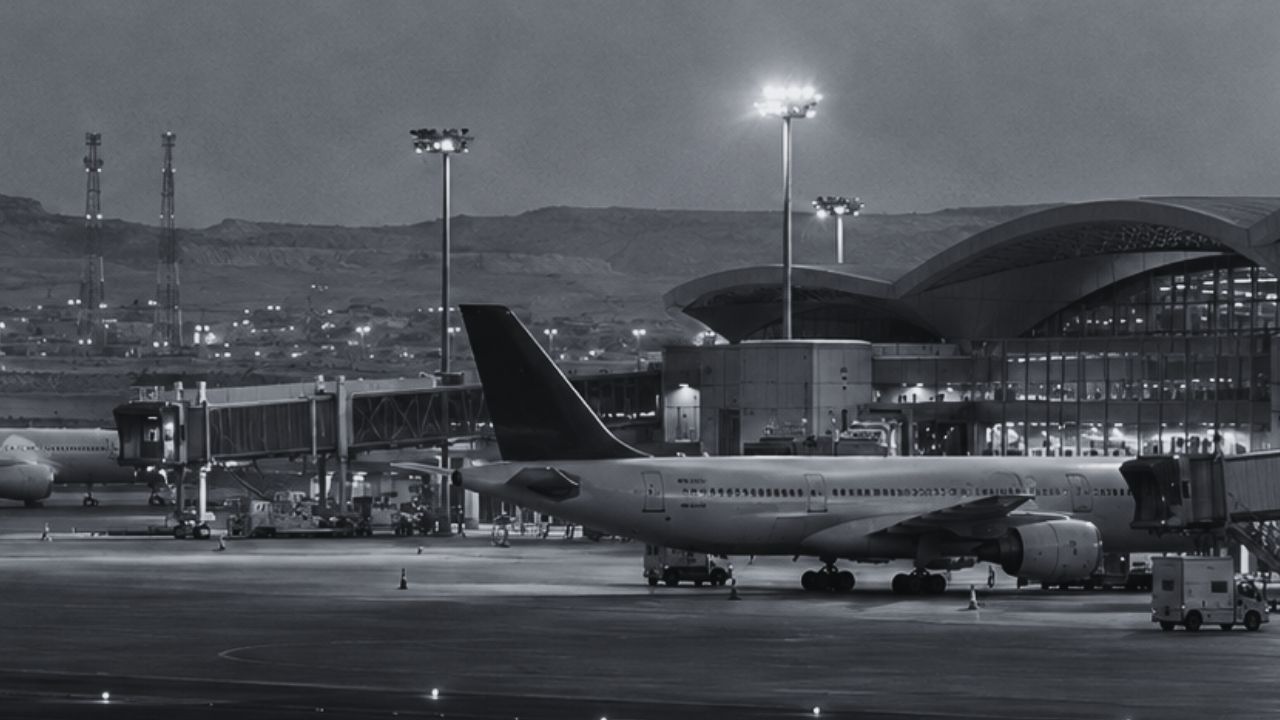
The U.S. Embassy in Saudi Arabia warned Americans Monday to use extreme caution at airports, citing attacks by Iranian-supported Houthis on civilian aviation and critical infrastructure. Its November 2 security alert warned of potential airspace closures, canceled flights, and wider hostilities.
Saudi Arabia: Iranian-supported Houthis have engaged in hostilities against Saudi Arabia, including attacks on civilian airports and other critical infrastructure resulting in civilian casualties and severe travel disruptions. The hostilities have the potential to escalate… pic.twitter.com/smZ34NVdgu
— TravelGov (@TravelGov) November 2, 2026
Saudi authorities separately said air defenses intercepted a Houthi ballistic missile headed toward the kingdom’s southern region Monday. Civil Defense alerts for four cities were later lifted, Reuters reported.
The State Department ordered non-emergency U.S. government employees and their family members to leave Saudi Arabia effective October 23. The department continues to classify the country as Level 3, “Reconsider Travel,” according to its official travel advisory. The departure order preceded Monday’s security alert and is not a new November 2 evacuation order.
U.S. government employees remaining in Saudi Arabia require special authorization to use any airport. They are barred from traveling within 20 miles of the Yemen border and require permission to visit other specified locations, including Yanbu and Taif, under the embassy’s November 2 restrictions. Those rules do not amount to an order for all American civilians to evacuate.
The embassy said Riyadh’s King Khalid International Airport had partially reopened October 23 for domestic flights and some international flights operated by national carriers. Some flights had shifted to Prince Naif bin Abdulaziz International Airport in Qassim. Airports at Jeddah and Dammam remained operational with some delays and cancellations, according to the embassy’s update.
The same embassy alert said Saudi land-border crossings, including the King Fahd Causeway to Bahrain, remained open. Travelers were advised to check directly with airlines and airports before departure; the published conditions could change.
Saudi authorities said the threat had passed following warnings in Khamis Mushait, Abha, Taif, and Najran, and a Saudi-led coalition statement reported a successful ballistic-missile interception on November 2, according to Reuters. No casualties from that specific interception were reported in the account.
The Houthis separately claimed to have sent drones toward Dammam airport, a radar site in Jizan, and a military transport plane. Saudi Arabia had not independently confirmed those specific operations at the time of the Reuters report.
The immediate risk is to people traveling or working in Saudi Arabia.
The State Department advisory warns of missile and drone attacks, the possibility of falling debris, and dangers near military and energy facilities. It does not announce a specific impending attack on U.S. territory.
U.S.-connected shipping also faces risks in the Red Sea and Gulf of Aden.
In an active maritime security advisory, the U.S. Maritime Administration says the Houthis resumed attacks on merchant vessels and warns that American-, British-, Israeli-, and Saudi-associated shipping faces elevated targeting risks.
The Maritime Administration says Houthis conducted more than 100 attacks on commercial vessels from November 2023 through October 2025, affecting ships associated with more than 60 countries. Its September 2026 advisory also describes reported missile strikes on two tankers near Saudi Arabia’s Yanbu coast in August.
Oil markets are another possible channel for U.S. effects.
The Energy Information Administration reported that Middle East Gulf producers supplied an average of 490,000 barrels of crude per day to the United States in 2025, about 8% of total U.S. crude imports. A prolonged regional disruption could affect international crude markets, but Monday’s alert does not establish a specific change in American gasoline prices.
In July, The Dallas Express reported on President Donald Trump’s warnings to Iran and the Houthis about attacks on Red Sea shipping. The current alert concerns the threat to civilian airports and American travelers as well as vessels at sea. Earlier The Dallas Express covered U.S. Treasury sanctions against Houthi financing and weapons procurement networks.
Saudi authorities restrict photographs and social-media posts about missile interceptions, drone attacks, government buildings, airports, and impact locations. U.S. citizens have been detained for violating these restrictions, the embassy warned. Americans should follow Saudi Civil Defense alerts and stay away from debris or windows during aerial attacks.
The U.S. Mission said emergency consular services remain available. It advised travelers to confirm flight details with airlines, monitor official announcements, and enroll in the State Department’s Smart Traveler Enrollment Program to receive security notifications.
Provided by Dallas Express


